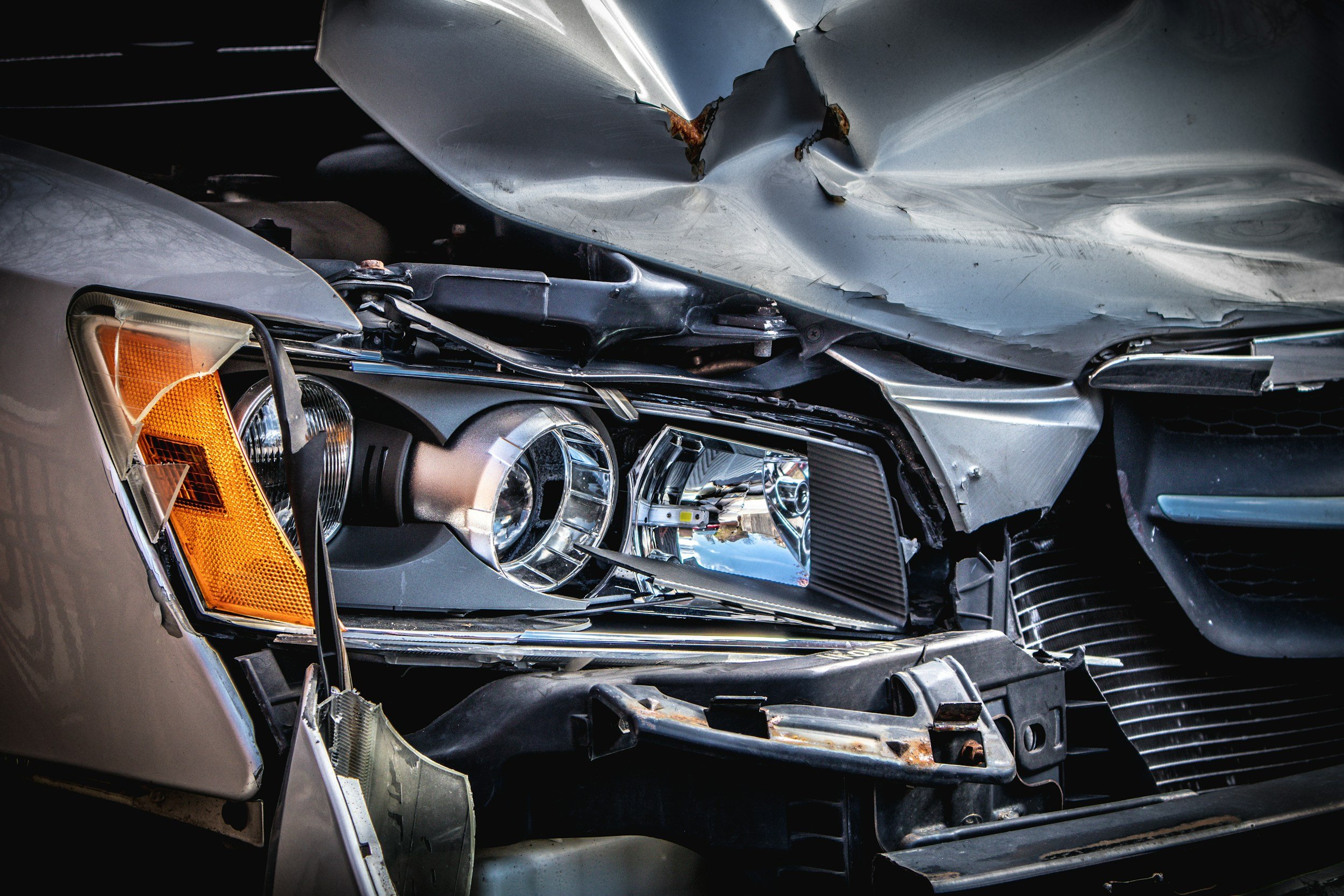
“A car accident turns your life upside down in an instant. One moment you’re driving and the next you’re dealing with flashing lights, potential injuries, and a wrecked car.”
Schedule a Free Consultation
Your priority is always safety, so call 911 immediately. This not only brings medical help to the scene but also starts the official process for obtaining a Baton Rouge police accident report, a vital piece of evidence.
While waiting for help to arrive, your smartphone is your best tool for documentation. Even for a “minor” rear-end collision in traffic on College Drive, use it to photograph everything: both cars’ damage, license plates, and the other driver’s license and insurance card. Memory fades, but pictures don't.
Crucially, be mindful of what you say. A simple, polite “I’m sorry” can be twisted into an admission of guilt under Louisiana at-fault car accident laws. Knowing what to do (and what not to say) after a car wreck protects you when you are most vulnerable. A personal injury attorney specializing in car accidents can help guide you.
Why Seeing a Doctor Can Save Your Health and Your Claim
In the immediate aftermath of a wreck, you might feel shaken but otherwise okay. Adrenaline is a powerful chemical that can mask severe pain. Many people walk away from the scene thinking they're unhurt, only to wake up the next morning with debilitating neck or back pain from common car accident injuries like whiplash. Without immediate care, these issues can become chronic problems.
This delay is why seeing a doctor or visiting an urgent care clinic as soon as possible is critical, even if you feel fine. A medical professional can properly diagnose injuries you may not feel yet. Just as importantly, this visit creates an official medical record. Your medical record is the most critical piece of evidence linking your injuries directly to the accident, which is vital for any future compensation.
While your health is the top priority, you should also report the accident to your own insurance company. They are your first point of contact when filing a car accident claim in Baton Rouge. You are not obligated to speak with the other driver’s insurance adjuster yet. In fact, that's a conversation you need to be very careful about.
How to Know If You Need a Lawyer: A Simple 3-Point Checklist
After dealing with an insurance adjuster, you might be wondering if your situation is “serious enough” for a lawyer. The answer is often more straightforward than you think. You should strongly consider getting legal advice if any of these situations apply to you:
You or a passenger was injured in any way.
The other driver is denying fault, or their insurance company is blaming you.
You are facing medical bills, missed work, and the insurance offer seems too low.
That second point is especially critical in Louisiana. Insurance companies will often try to pin some of the blame on you to reduce what they have to pay. Under Louisiana's "comparative fault" rule, your final settlement can be lowered by your percentage of fault. An experienced attorney knows how to fight back against these unfair blame games.
The best part is that finding out where you stand costs you nothing. The best auto wreck attorneys offer a free consultation to review your case and explain your options with no obligation. Getting a free consultation from an auto injury lawyer in Baton Rouge is a no-risk first step toward protecting your rights.
-
The thought of hiring a lawyer can feel like another financial burden, but many injury attorneys work on a contingency fee basis. This means you pay nothing unless you win your case, removing the cost barrier to getting professional help when you need it most.
A good first step is a simple, no-risk conversation. Consider reading reviews of Baton Rouge personal injury law firms and scheduling a free consultation. This costs you nothing and is the best way to get clear answers about your specific situation and see if a firm is the right fit for you.
While you have options, they are not permanent. The Louisiana statute of limitations for a car accident is a real and unforgiving clock. Don't let time make your decisions for you—take the first step to protect your rights today.
-
Within days of the crash, you will almost certainly get a call from the other driver’s insurance adjuster. They may sound kind and helpful, expressing concern for your well-being. However, it is critical to remember who they work for. Their primary goal is to protect their company’s financial interests by minimizing or denying your claim. They are not on your side.
One of their first requests will likely be for a recorded statement. You are not legally required to provide one, and it is wise to decline politely. Adjusters are trained to ask questions that can be used against you later. An innocent comment like, “I feel okay, I guess,” can be twisted to argue your injuries aren’t serious, even if severe pain develops the next day.
Don’t be surprised if you also receive a fast settlement offer. While tempting, this is often a lowball tactic designed to close your case before you know the actual cost of your medical care, future therapy, or lost wages. Once you accept an offer, you forfeit your right to seek further compensation.
The safest approach when negotiating with insurance after an accident is to be polite but firm. You can simply state, “I am not prepared to make a statement at this time,” and end the conversation. This gives you the breathing room to get proper medical care and understand the full value of your claim.